Brand Breakdown
Why I love this brand's marketing: The Whole Truth.
Not a client. Not a sponsor. Just a brand I'd point to if you asked me what good positioning actually looks like, and one I still have real notes on.
Not a client. Not a sponsor. Just a brand I'd point to if you asked me what good positioning actually looks like, and one I still have real notes on.
Why This One
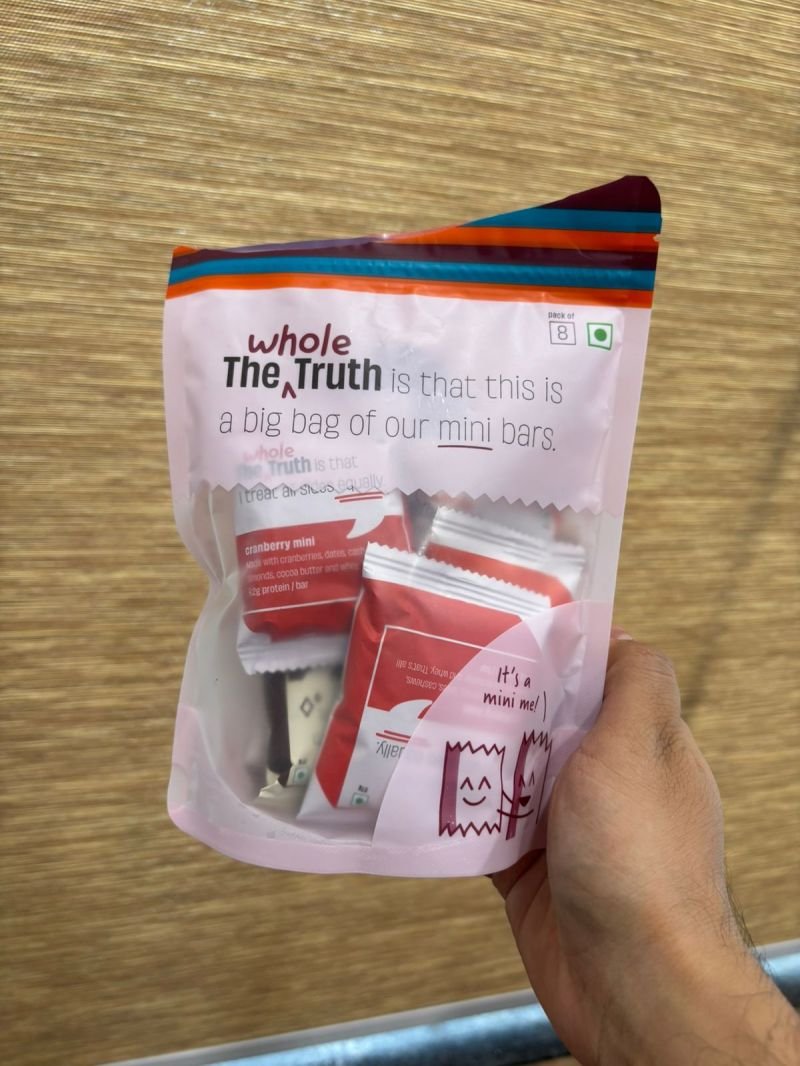
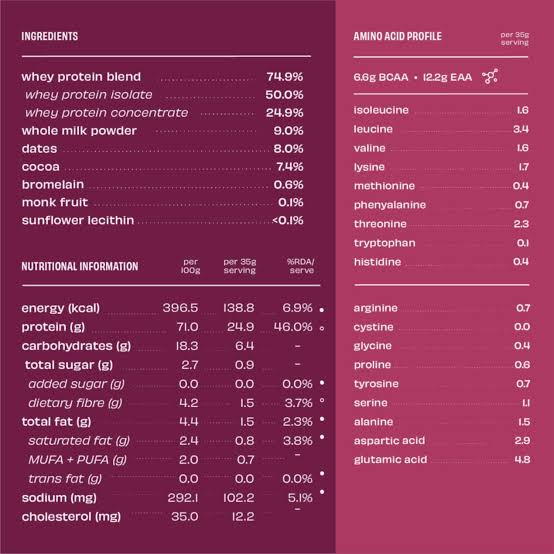
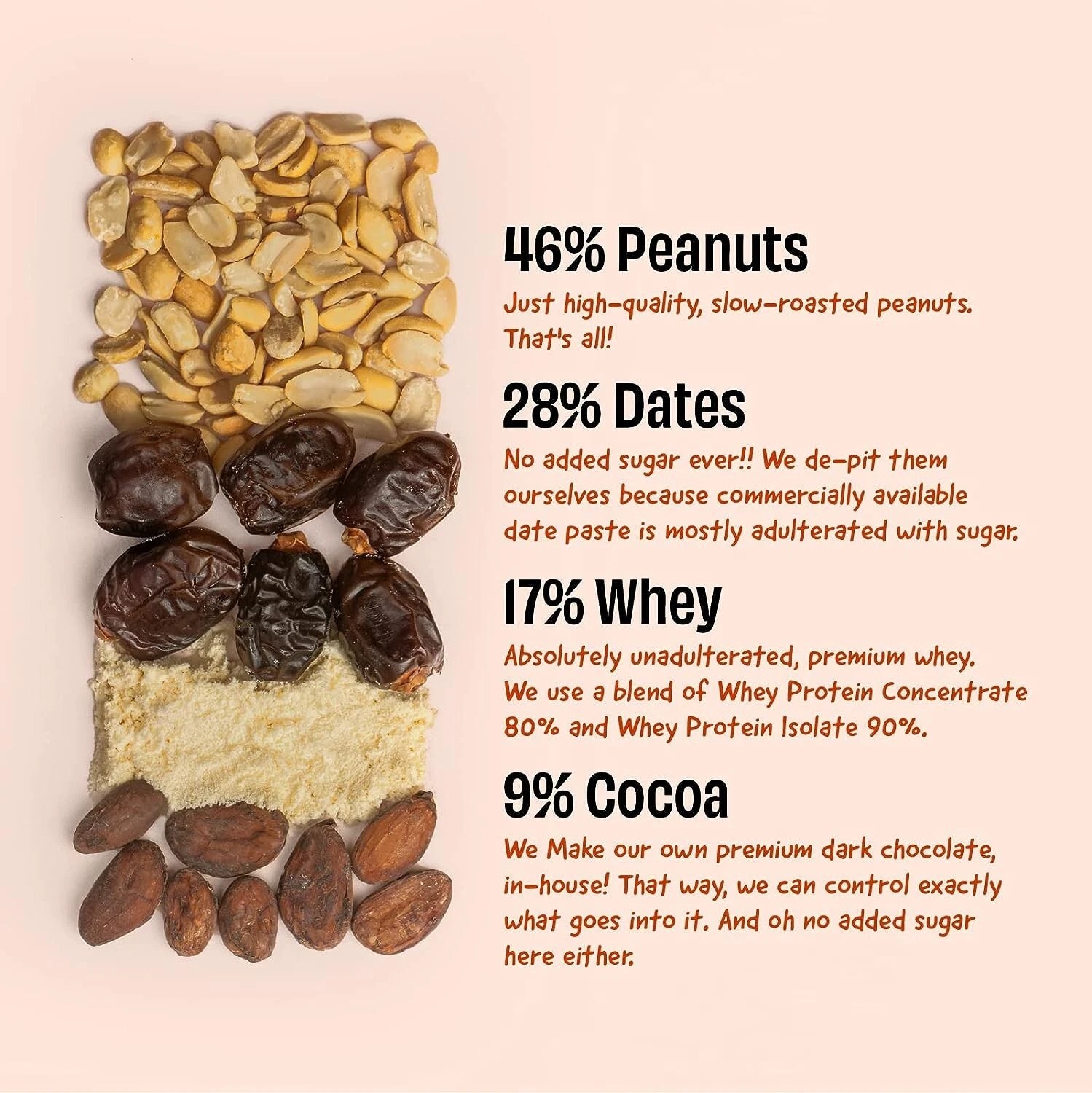
I've written before about picking brands off a shelf before I could read, going straight for whatever packaging shouted the loudest. The Whole Truth is the adult version of that same instinct, except this time the thing shouting the loudest isn't a color. It's a decision to print every ingredient on the front of the pack, in plain language, with nothing to decode.
That's the kind of positioning I notice as a strategist: not a tagline, but a structural choice that makes the brand's whole argument for it, before a single ad runs.
The Origin
Shashank Mehta, a former Unilever marketer, started The Whole Truth after his own long weight-loss journey ran him straight into how misleading "healthy" food labelling actually was. He wrote about it on his personal fitness blog before he ever built a product. The brand's founding insight came out of that: trust in food had been broken by half-truths, and the only way to rebuild it was to go the other direction completely. Hence the name.
That's the part I respect most. The brand's entire personality, blunt, a little confrontational, allergic to euphemism, comes directly from a founder who was personally lied to by an entire industry. It's not a brand voice a copywriter invented. It's a grudge, professionally channeled.
What They Actually Do Differently
Where It Got Tested
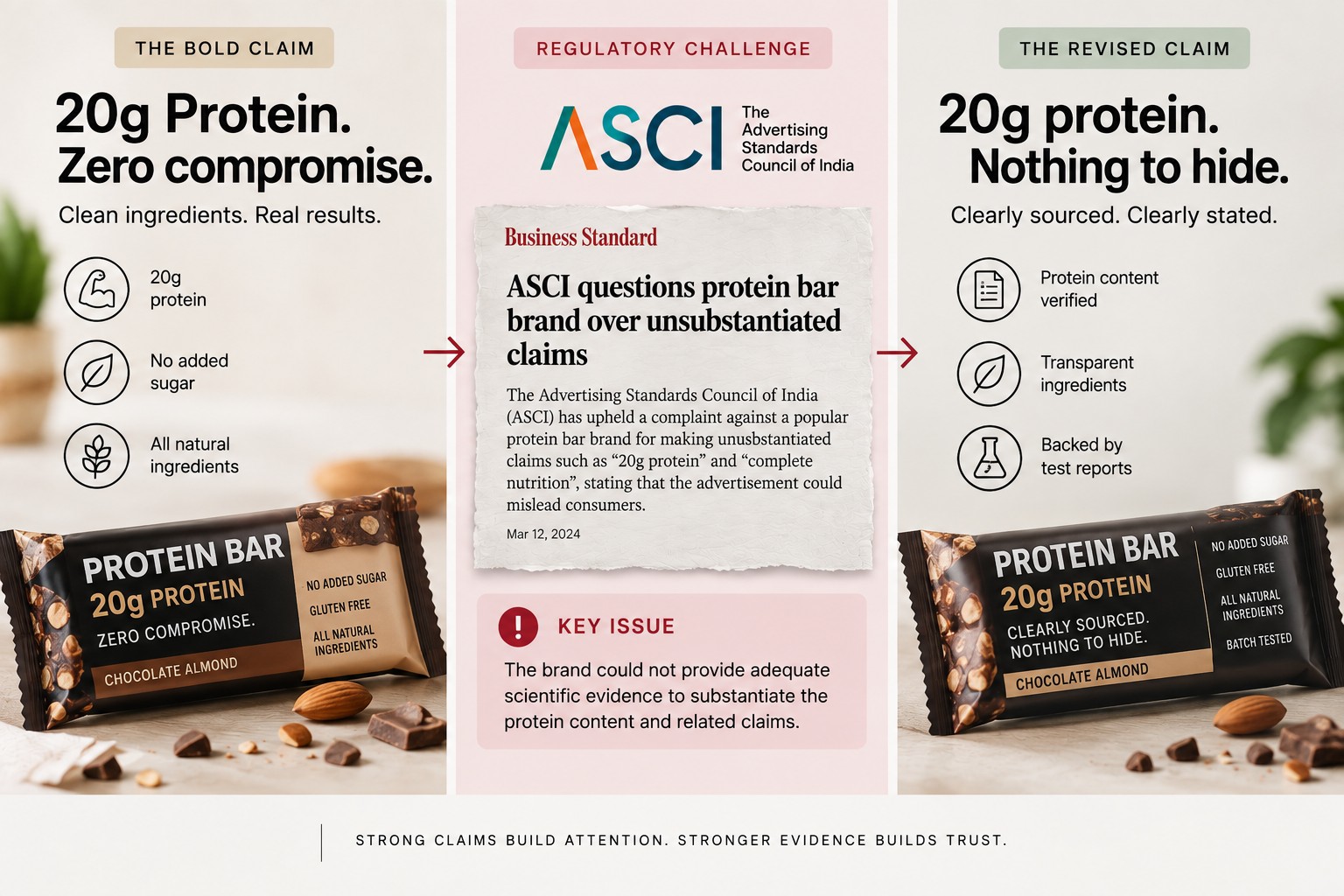
India's advertising regulator, ASCI, pushed back on some of their early claims (including language calling their protein "the cleanest, most easily digestible protein on Mother Earth") and the brand had to walk it back. A "no lies" brand overreaching on a claim is a real vulnerability, not a footnote. It's the exact risk you take on when your entire positioning is built on being more honest than everyone else: the standard you're held to is your own.
I think that's worth including in a breakdown like this. The lesson isn't "radical transparency is a flawless strategy." It's that a brand built entirely on trust has less room for error than any other kind, and has to actually earn the claim, every time, not just perform it.
What I take from this into client work isn't "be edgy." It's that the strongest position is usually the one your competitors are structurally unable to copy, because copying it would mean admitting what they've been hiding.
Let’s Talk